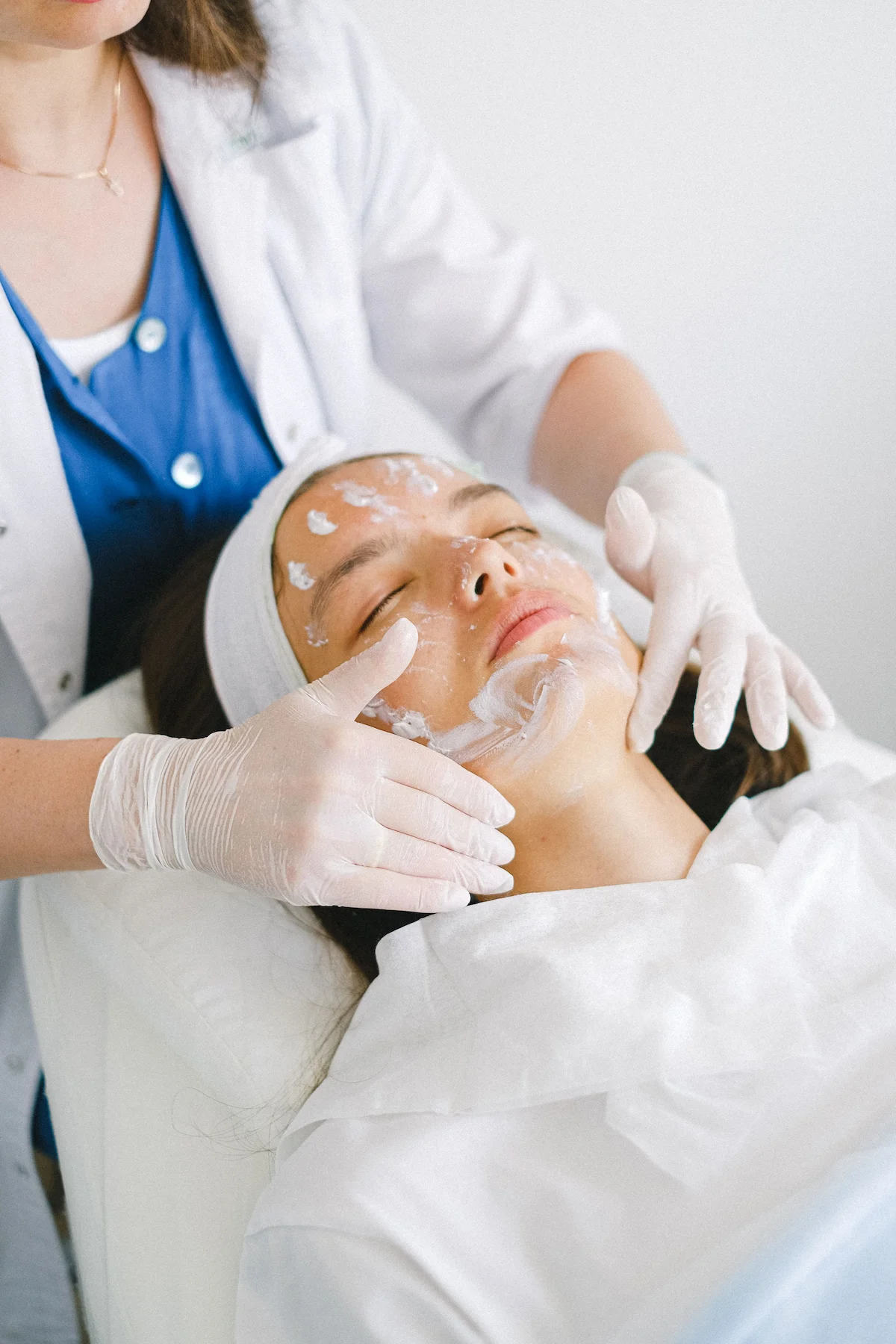
Chemical peels are a versatile skin treatment designed to improve your skin texture, tone or overall appearance. It can be useful when treating dull and uneven pigmentation, as well as acne-prone skin and even early signs of ageing. At Palmeira Clinic we select peels based on your skin type and skin concerns.
As you know, our philosophy is all about natural, tailored results, which means every chemical peel is tailored to your needs. Understanding how chemical peels work, their potential benefits and what to expect during recovery can help you decide whether they ar the right choice for you.
What is a chemical peel?
Chemical peels use carefully selected acid solutions to exfoliate the skin and encourage cell renewal. The active ingredients have various properties: it can help improve uneven skin tone, rough texture, congestion in the pores, acne and in some people it can also help with the visible signs of ageing.
Some peels are superficial treatments with little downtime. Others are deeper peels that require a longer recovery time.
At your consultation, we will suggest the most appropriate options based on your skin type, skin concerns, medical history and personal goals.
What are the benefits of chemical peels?
This depends entirely on the peel selected. They may help with a number of skin concerns including:
- Dull or uneven skin tone – by removing surface skin cells it may help improve brightness and overall skin appearance.
- Fine lines – some peels may help soften the appearance of superficial lines.
- Acne-prone skin – certain agents in some chemical peels may help reduce congestion and imrpove some types of acne.
- Pigmentation – this requires careful consideration as some peels may improve uneven pigmentation but unsuitable treatments can make pigmentation worse.
- Rough skin texture – exfoliation using a peel may help the skin feel smoother.
As with all aesthetics treatments, results cannot be guaranteed and may depend on the peel used, your skin characteristics and the number of treatment requires.
What happens during a chemical peel?
At Palmeira Clinic, a leading aesthetic company in Sussex, your treatment begins with a consultation to assess your skin, discuss your concerns and establish whether a chemical peel is a viable option for you.
Before commencing the treatment, your skin is thoroughly cleansed. During the peel you may experience some tingling, warmth or mild stinging. When your treatment is finished, the solution is removed and neutralised as appropriate.
As part of your continuing care, your practitioner will explain how to care for your skin, which products to avoid and when you can return to your normal skincare routine.
How long is the recovery?
This depends entirely on the type of chemical peel.
Superficial peels may cause temporary redness, dryness or light flaking, with relatively little downtime. Other peels can cause more noticeable peeling a can take several days to recover.
Daily sun protection is vital following a chemical peel as newly treated skin is more sensitive to sunlight.
At Palmeira Clinic your practitioner will provide you will specific aftercare advice based on your treatment.
Is a chemical peel right for you?
This will be discussed in detail at your consultation. At Palmeira Clinic in Brighton and Hove, our approach is focused on personalised treatment planning and natural-looking improvements in skin quality. The consultation will help you decision whether it is suitable for your needs.
Possible side effects
Chemical peels are usually well tolerated provided they are selected and performed by a trained practitioner. However, as with any skin treatment, there are potential side effects and risks.
Common temporary side effects include:
- Redness and sensitivity: you may find that your skin feels warm, tight or sensitive after treatment, but this is only temporary.
- Dryness and peeling: depending on the peel used, you may experience some flaking or peeling as the skin renews itself.
- Temporary irritation: occasionally people can experience mild swelling, itching or discomfort, but this is only temporary.
Less common but more significant complications include:
- Pigmentation changes: The skim may become darker (hyperpigmentation) or lighter (hypopigmentation). These can occasionally be persistent particularly in darker skin tones.
- Infection: Very unlikely and uncommon but bacterial, fungal or viral infections can occur, including reactivation of cold sores.
- Scarring: Rare, but possible, particularly with deeper peels or complications during healing.
Chemical are not suitable for everyone and this is why our thorough consultation process is so important, not only to ensure you get the products and treatments that suit your needs, but also to ensure each product is safe for you.
Our priority is to select an appropriate treatment while minimising avoidable risks and ensuring you understand the expected recovery process.
Considering a chemical peel?
Every skin is different. At Palmeira Clinic, we take time to understand your concerns so we can recommend treatments suited to your skin, goals and lifestyle.
Have a question before booking? Contact our team.